

🌿 Green Hydrogen
A Strategic Pillar of Africa’s New Energy Economy
HydroAfricaEnergy
2/21/20262 min read
Green Hydrogen: Africa’s Strategic Energy Solution
Faced with the climate emergency and the need to decarbonize the global economy, green hydrogen is emerging as one of the most promising energy solutions of the 21st century. For Africa, it represents far more than a technological innovation: it is a strategic opportunity for industrial transformation, energy exports, and economic sovereignty.
HydroAfricaEnergy considers green hydrogen a core pillar of the long-term energy transition.
⚙️ What is Green Hydrogen?
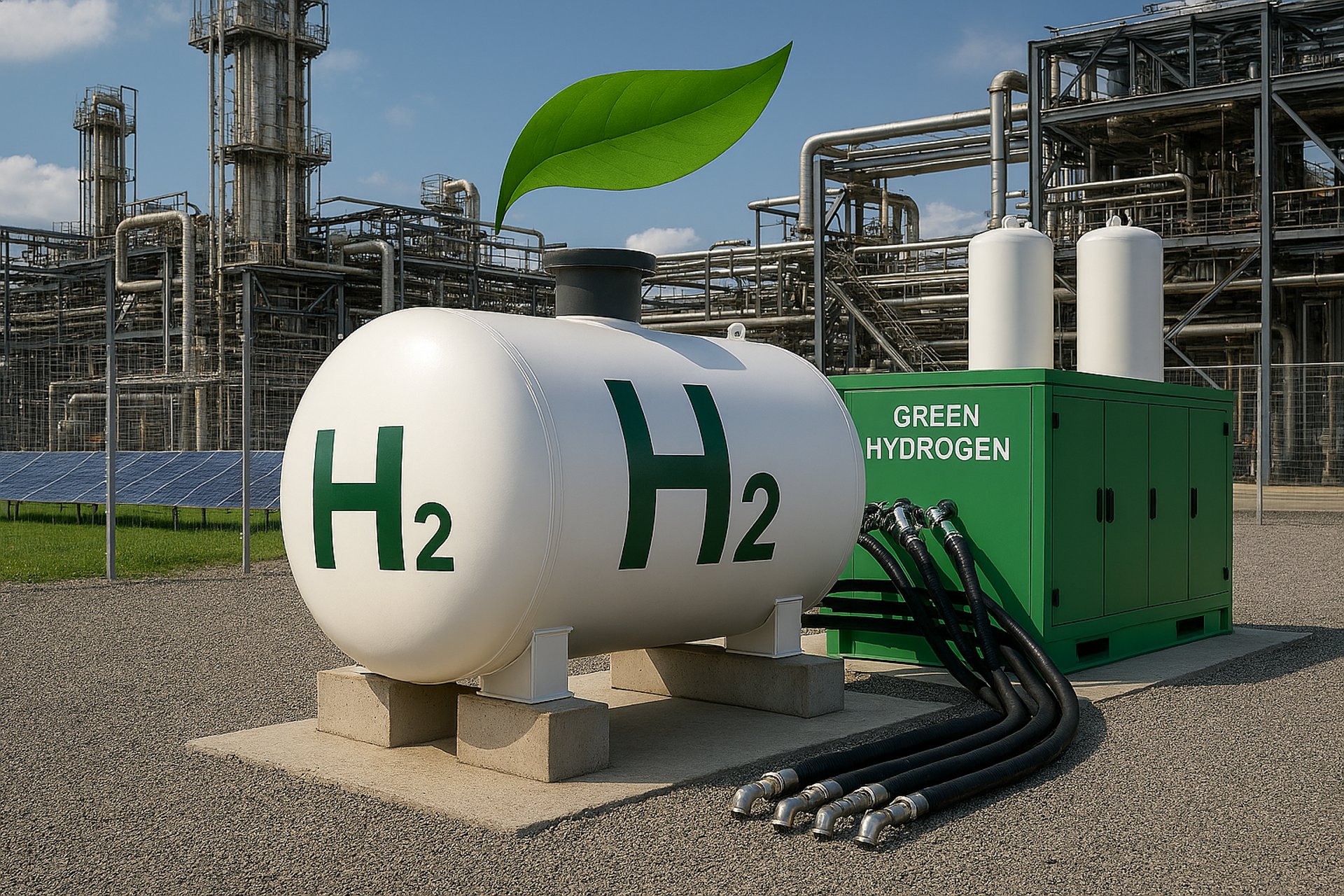
Green hydrogen is produced through water electrolysis, a process that separates hydrogen and oxygen using electricity generated from renewable sources (solar, wind, hydropower).
Unlike grey hydrogen (from natural gas) or blue hydrogen (with partial carbon capture), green hydrogen:
Emits no CO₂ during production
Relies on clean energy
Contributes to carbon neutrality
It is therefore a clean and sustainable energy carrier.
🌍 Why Africa is Ideally Positioned
Africa has three major advantages to become a key player in green hydrogen:
☀️ Abundant renewable resources
The continent has some of the world’s best solar and wind potentials, essential for low-cost electricity production.
🌊 Availability of natural resources
Access to water (with desalination possible in coastal areas) enables electrolysis-based production.
🌐 Geostrategic location
Proximity to Europe, the Middle East, and Asia, which are major markets for decarbonized hydrogen.
🔋 Strategic Applications
Green hydrogen is not just an energy source — it is a driver of industrial transformation.
🏭 Heavy Industry
Decarbonization of steel production
Green ammonia production
Clean refining
🚛 Transport
Heavy trucks
Maritime transport
Aviation (synthetic fuels)
⚡ Energy Storage
Hydrogen can store excess renewable electricity and release it when needed.
📊 Economic Potential
The global green hydrogen market could reach hundreds of billions of dollars by 2050.
For Africa, this translates into:
Development of a new industrial sector
Creation of skilled jobs
Attraction of international investments
Energy export revenues
Strengthening of the trade balance
Green hydrogen could become a growth engine comparable to hydrocarbons — without the environmental externalities.
💡 Challenges to Overcome
Despite its potential, several challenges must be addressed:
High initial cost of electrolyzers
Need for adapted infrastructure (transport, storage, ports)
Access to large-scale financing
Structured regulatory frameworks
These challenges also represent opportunities for investors and strategic partners.
🎯 HydroAfricaEnergy’s Vision
HydroAfricaEnergy aims to:
Study and develop green hydrogen pilot projects
Integrate hydrogen into solar and wind ecosystems
Foster international technological partnerships
Position Africa as an exporter of clean energy
Contribute to the creation of a local value chain
This approach combines large-scale renewable production with industrial innovation.
🔮 A Historic Opportunity
Green hydrogen offers Africa the chance to:
Leapfrog directly to a clean energy economy
Become a global hub for sustainable energy
Transform natural resources into industrial wealth
Actively participate in global decarbonization
🏁 Conclusion
Green hydrogen is not just a technology of the future — it is a geo-economic positioning strategy.
By combining natural resources, innovation, and long-term vision, HydroAfricaEnergy positions Africa to build a sustainable, competitive, and sovereign energy system.